Modern car keys are compact pieces of technology that do much more than unlock a door. Many key fobs communicate directly with a vehicle’s security system, control remote features, and allow push-button starting. When one is lost or damaged, replacement can seem complicated, especially for drivers who assume the dealership is their only option.
In reality, several service providers can replace and program vehicle keys. Understanding how the process works can help drivers avoid unnecessary delays, compare prices more effectively, and choose a solution that fits their situation.

Why Car Key Fobs Cost More Than Traditional Keys
A traditional vehicle key could often be copied using a simple cutting machine. Modern fobs usually contain electronic components that must be matched to the vehicle.
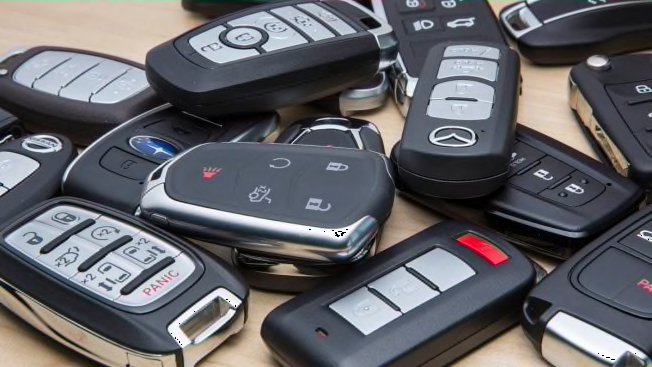
Depending on the model, a key fob may include:
- A transponder chip
- Remote locking and unlocking controls
- Push-to-start compatibility
- Proximity detection
- Trunk release functions
- Panic alarm controls
- An emergency metal key
The physical key and electronic system must both work correctly. Even when the replacement looks identical to the original, it may not start the vehicle until it has been properly programmed.
Dealerships Are Not the Only Option
Dealerships can order manufacturer-approved keys and program them to a specific vehicle. However, this process may involve scheduling delays, towing costs, parts markups, and higher labor charges.
Automotive locksmiths provide an alternative. Many mobile technicians carry key-cutting and programming equipment in their service vehicles. This allows them to travel to the vehicle and complete much of the work on-site.
Durham Region drivers are routinely quoted Toronto rates for work that can be done locally. Replacing a car key fob in Oshawa generally costs under $200 including programming, against $350 to $450 at a dealership. Coverage usually extends across Whitby, Ajax and Bowmanville with no extra callout charge.
The exact cost will still depend on the vehicle brand, model year, key technology, and whether a working key remains available.
What Happens During the Replacement Process
The technician will first confirm the vehicle’s year, make, model, and key type. The vehicle identification number may also be required to verify compatibility and retrieve key information.
Next, the technician may cut a physical blade, program the transponder, and pair the remote functions with the vehicle. For push-button start systems, the new fob must be registered with the immobilizer system.
Once programming is complete, the technician should test all available functions. This includes starting the engine, locking and unlocking the doors, opening the trunk, and confirming that proximity features work properly.
Replacing a Key When No Original Remains
Drivers sometimes assume that a replacement cannot be created without an original key. Although having a working copy may make the process easier, many automotive locksmiths can still create a new key when every original has been lost.
The technician may use the vehicle identification number, lock information, or diagnostic equipment to determine the required key specifications. After creating the replacement, the technician can program it as an authorized key.
For security purposes, proof of ownership is normally required. Drivers should be prepared to provide identification and vehicle registration before the technician begins work.
Removing a Missing Key From the Vehicle
When a key has been stolen or cannot be located, creating a replacement may not be enough. The missing key could remain active in the vehicle’s memory.
A technician may be able to erase old key data and register only the keys currently in the owner’s possession. This reduces the risk that someone could use the missing fob to unlock or start the vehicle.
Drivers should specifically ask whether lost keys will be disabled as part of the service. The answer may depend on the vehicle’s electronic system and the available programming equipment.
Questions to Ask Before Booking Service
Before agreeing to a replacement, drivers should request a complete price estimate. The quote should clarify whether it includes the fob, key cutting, programming, mobile service, and taxes.
It is also useful to ask:
- Is the replacement key new or refurbished?
- Is a warranty included?
- Can every original function be restored?
- Will missing keys be removed from the system?
- Is proof of ownership required?
- Are there additional travel or emergency-service fees?
Clear answers make it easier to compare providers fairly.
Why a Spare Key Is Worth Having
Once a replacement has been made, ordering an additional spare can be a practical decision. Creating a duplicate while one working key is available is often simpler and less expensive than replacing every key after a complete loss.
A spare key can also prevent towing expenses, missed appointments, and emergency service charges. It should be stored in a secure place outside the vehicle and checked occasionally to ensure the battery and electronic functions still work.
A More Convenient Way to Get Back on the Road
Car key replacement no longer has to involve transporting a vehicle to a dealership and waiting several days for service. Mobile technology has made it possible for trained technicians to cut and program many types of keys wherever the vehicle is parked.
By comparing local providers, confirming the full cost, and asking about security features, drivers can make a more informed decision. The right service can restore access quickly while avoiding unnecessary expenses and disruption.